

Schema Markup Mistakes to Avoid in 2025
Why Schema Markup Matters for UK SEO in 2025
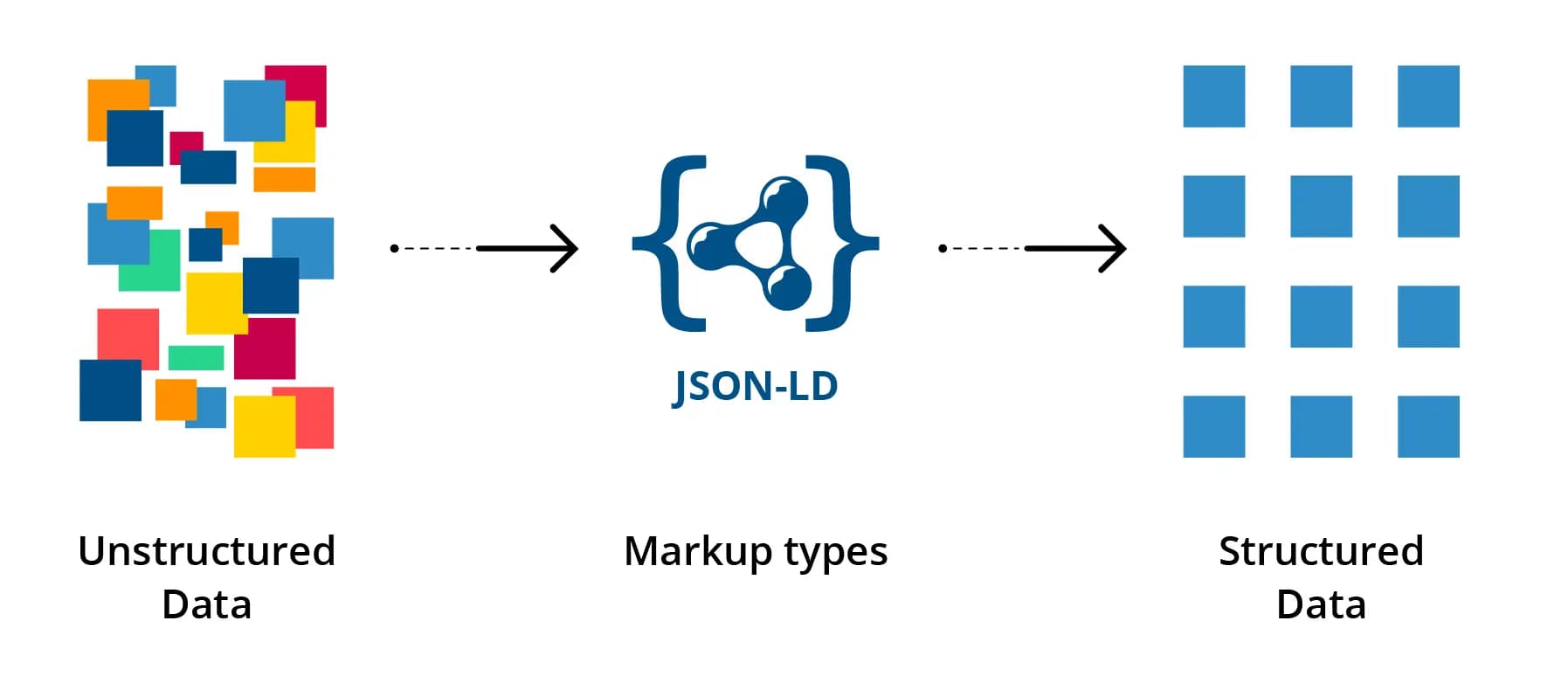
Schema markup helps Google understand your website, improves visibility in search results, and unlocks rich features like reviews, FAQs, and business details. In 2025, correct schema is essential for local businesses aiming to stand out in competitive UK markets. If your schema is just “name: business,” you’re missing out.
Real-World Case Studies & Resources
Common Schema Markup Errors in 2025 for UK Businesses
- Missing or incorrect LocalBusiness schema (e.g., wrong address or business type). If your address is “123 Fake Street,” fix it.
- Duplicate or conflicting structured data from plugins or manual edits. If you have more schema than sense, clean it up.
- Outdated business info (address, phone, opening hours). If your phone number is for a fax, update it.
- Failing to implement FAQ, review, or Service schema for key pages. If your FAQ is just “What is your return policy?” add more.
- Using US spelling or terminology instead of British English. If you spell “colour” as “color,” Google will notice.
- Forgetting to test schema after site updates or redesigns. If you never test, expect surprises.
Real-World Schema Markup Examples for UK Businesses (2025)
- A Lancashire plumber lost rich results after a site redesign introduced duplicate LocalBusiness schema. Oops.
- A Leyland florist missed out on review stars by failing to add Review schema to their product pages. No stars for you.
- A Wigan electrician improved local rankings by updating their GBP and schema with accurate, geo-tagged business info. Winner!
How to Diagnose and Fix Schema Markup Issues for UK Businesses (2025)
- Use Google’s Rich Results Test and Schema Markup Validator to check for errors. If you don’t test, you’ll never know.
- Audit your site for missing, broken, or duplicate schema regularly. If you only audit once a year, step it up.
- Update business info and review schema whenever details change. If your opening hours are from 1999, update them.
- Remove duplicate or conflicting markup from plugins or manual code. If you don’t know what it does, delete it.
- Customise schema for each service, city, and landing page. If you copy-paste, at least change the city name.
Advanced Best Practices for UK Businesses
- Add LocalBusiness, Service, Review, and FAQ schema to all relevant pages. If you only add one, add more.
- Use British spelling and local terminology in schema fields. If you spell “centre” as “center,” fix it.
- Include geo-coordinates and images for local businesses. If your image is a potato, upgrade it.
- Monitor for errors after every site update or redesign. If you never check, expect drama.
- Keep schema up-to-date with business changes and new services. If you add a new service, add new schema.
- Test schema monthly and after major changes. If you don’t, Google will.
Actionable Checklist
- [ ] Audit your site for schema errors and duplicates (don’t just hope for the best)
- [ ] Add LocalBusiness, Service, Review, and FAQ schema to key pages (no copy-paste jobs)
- [ ] Use British spelling and local details in all schema fields (no “color” allowed)
- [ ] Update schema whenever business info changes (no fax numbers)
- [ ] Test schema with Google’s Rich Results Test and Schema Markup Validator (test, test, test)
- [ ] Monitor for errors after site updates or plugin changes (don’t ignore warnings)
- [ ] Customise schema for each service and city page (no lazy shortcuts)
Frequently Asked Questions
Q: How do I test my schema markup?
A: Use Google’s Rich Results Test and Schema Markup Validator to check for errors and improvements. If you don’t, you’ll never know.
Q: What schema types are most important for UK businesses?
A: LocalBusiness, Service, Review, and FAQ schema are key for visibility and rich results. If you only add one, add more.
Q: How often should I audit my schema?
A: Audit monthly and after major site updates or redesigns. If you wait a year, Google will sulk.
Summary & Key Takeaways
- Audit your site for schema errors and duplicates (no drama)
- Add LocalBusiness, Service, Review, and FAQ schema to key pages (no shortcuts)
- Use British spelling and local details in all schema fields (no “color” allowed)
- Test and update schema regularly for best results (Google loves it)
Want to maximise your rich results and rankings? Request a free schema audit and get expert recommendations for your UK business. (We promise not to judge your spelling.)