

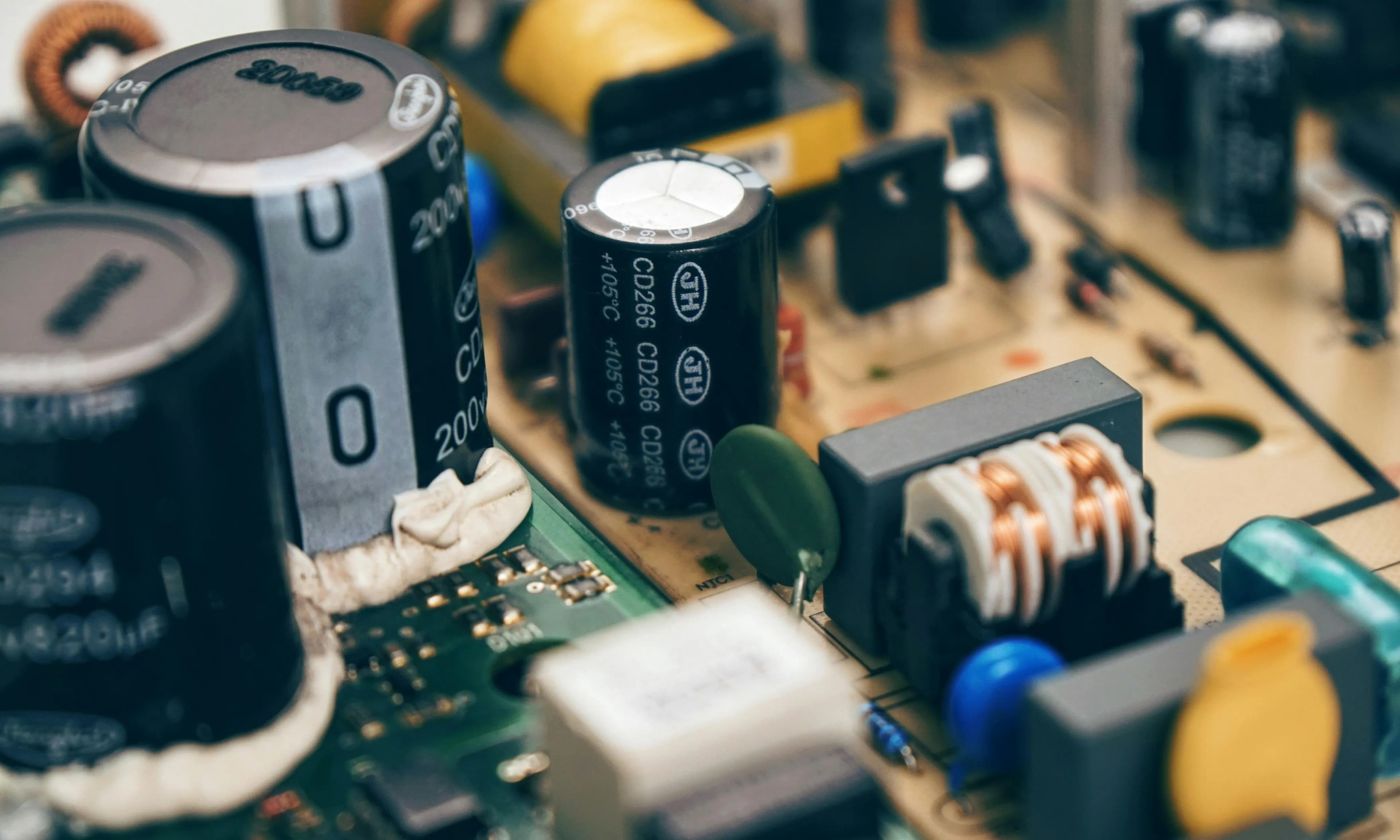
Diodes and How to Use Them
Diodes are simple one-way valves for current: they conduct when forward-biased and block in reverse. That one feature makes them useful for protecting circuits, turning AC into DC, and powering LEDs (which are diodes with a stylish glow).
What you’ll learn: the difference between forward and reverse bias, typical forward voltage drops, and the basic uses of standard, Schottky, and Zener diodes.
Parts list
- Standard silicon diode (e.g., 1N4001)
- Schottky diode (optional)
- LED and current-limiting resistor (220–470 Ω)
- Breadboard and jumper wires
- Multimeter
- Low-voltage power source
Expect clear rules of thumb: a silicon diode drops about 0.6–0.7 V when forward biased, Schottky diodes drop less and switch faster, and Zener diodes deliberately break down in reverse to hold a fixed voltage for regulation or reference.
Hands-On Mini Task: wire a diode in series with an LED and a resistor, measure the forward voltage with a multimeter, then swap a Schottky and note the difference. For a low-risk rectifier demo, simulate or use a small transformer and a safe low-voltage AC source.
Troubleshooting: if a diode appears to short or heat up, disconnect power and check orientation and ratings. A reversed diode often looks dead but may protect the rest of the circuit by blocking current.
Diagram: 
Navigation
- Previous: Analysing Series and Parallel Circuits
- Next: Basic Resistor Circuit